/filters:format(jpeg,png)/fit-in/300x300/guide_websites/119506/images/unnamed.jpg)
/filters:format(jpeg,png)/fit-in/237x80/guide_websites/119506/images/unnamed.jpg)
/users/964bf01b-3c7a-4667-a0bb-6a9d92dbff55/ratecard/1fd4cc2d56ec2b323aee9d9e295d3f6f-mlpzyo0q.jpg)
%2F300x300%2Fusers%2F964bf01b-3c7a-4667-a0bb-6a9d92dbff55%2Fratecard%2F1fd4cc2d56ec2b323aee9d9e295d3f6f-mlpzyo0q.jpg&w=256&q=75)
%2F300x300%2Fusers%2F964bf01b-3c7a-4667-a0bb-6a9d92dbff55%2Fimages%2Ffishing-fun-pensacola-2420.jpg&w=256&q=75)
%2F300x300%2Fusers%2F964bf01b-3c7a-4667-a0bb-6a9d92dbff55%2Fimages%2Fangler-fishing-florida-2437.jpg&w=256&q=75)
%2F300x300%2Fusers%2F964bf01b-3c7a-4667-a0bb-6a9d92dbff55%2Fimages%2Fpensacola-fishing-trip-with-friends-2463.jpg&w=256&q=75)
%2F300x300%2Fusers%2F964bf01b-3c7a-4667-a0bb-6a9d92dbff55%2Fimages%2Ffishing-adventure-in-florida-2557.jpg&w=256&q=75)
%2F300x300%2Fusers%2F964bf01b-3c7a-4667-a0bb-6a9d92dbff55%2Fimages%2Ffishing-fun-pensacola-2433.jpg&w=256&q=75)
%2F300x300%2Fusers%2F964bf01b-3c7a-4667-a0bb-6a9d92dbff55%2Fimages%2Fbest-great-fishing-outing-fl-2681.jpg&w=256&q=75)
%2F300x300%2Fusers%2F964bf01b-3c7a-4667-a0bb-6a9d92dbff55%2Fimages%2Fpensacola-fishing-adventure-2374.jpg&w=256&q=75)
%2F300x300%2Fusers%2F964bf01b-3c7a-4667-a0bb-6a9d92dbff55%2Fimages%2Ffishing-pensacola-2438.jpg&w=256&q=75)
%2F300x300%2Fusers%2F964bf01b-3c7a-4667-a0bb-6a9d92dbff55%2Fimages%2Fanglers-catch-adventure-florida-2506.jpg&w=256&q=75)
Full Day Pensacola Snapper Fishing Get Bent
 Pensacola
What you will be catching:
 Cobia
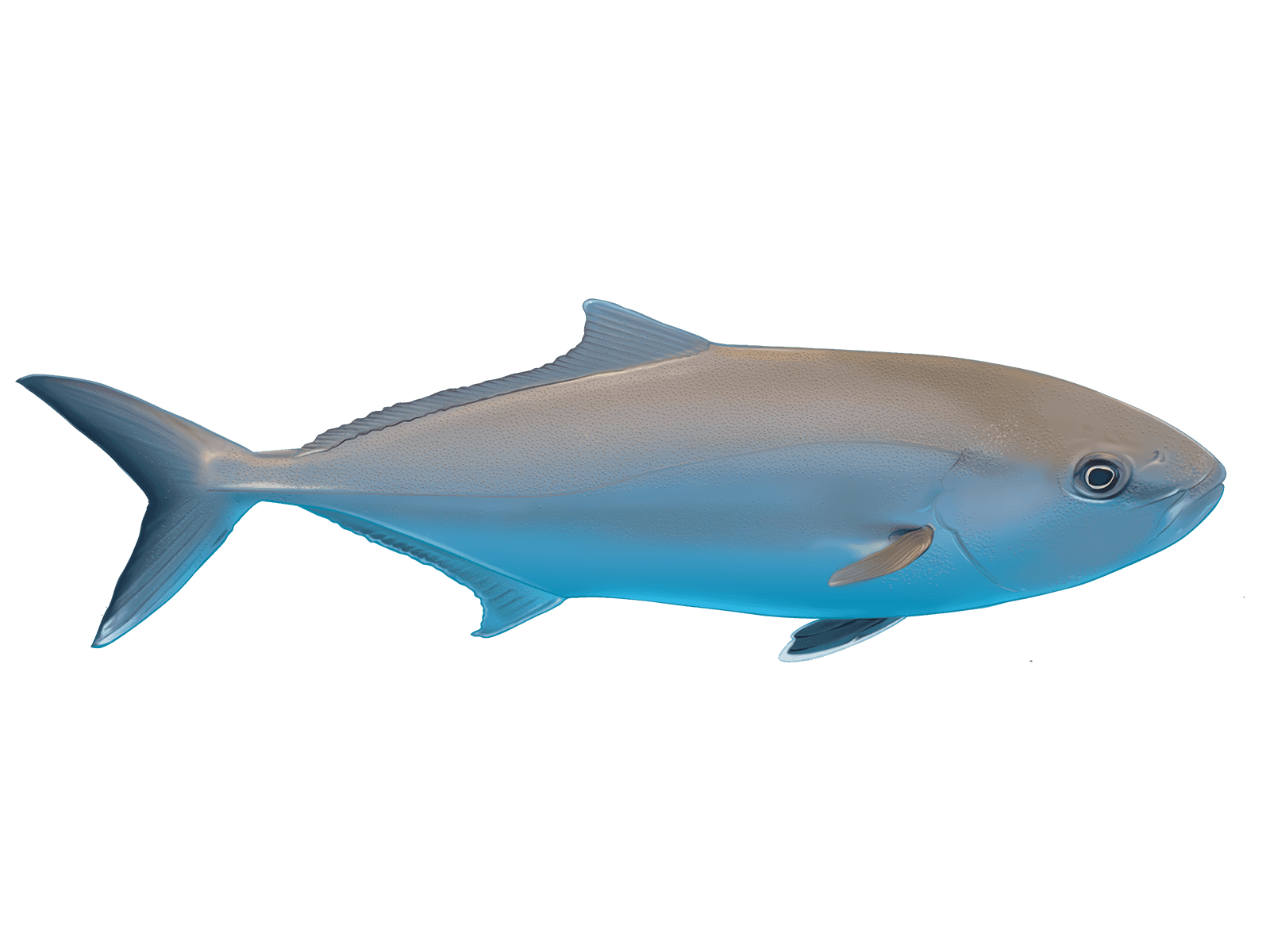
Cobia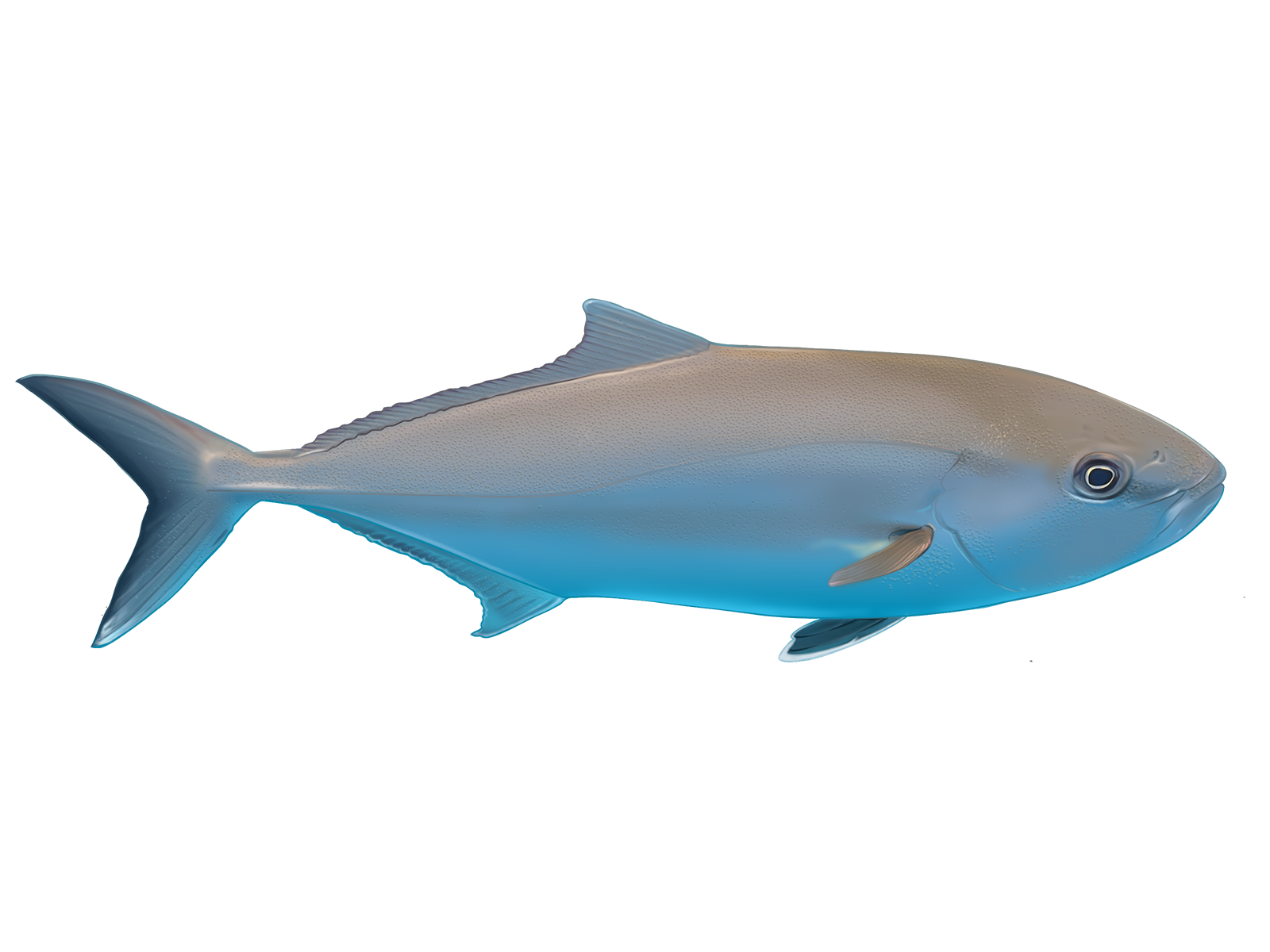 Greater Amberjack
 King Mackerel
 Mutton Snapper
 Red Snapper
- Captain Jody takes you 8 hours deep into Pensacola's offshore waters aboard his 26' Seafox, targeting productive wreck sites where the big fish hang out. With a full day on the water, there's plenty of time to hit multiple spots and adjust tactics based on what's biting. The first mate handles all the rigging and bait work, so you can focus on fighting fish. Everything's included
- rods, reels, tackle, bait, and your fishing license. You'll launch at 8 AM from Grainger Ave with up to 4 anglers, giving everyone room to fish comfortably. Just bring your cooler with food and drinks, plus sun gear for a solid day of wreck fishing.
Trip Pricing and Availabilities:
8-Hour Offshore Wreck Adventure in Pensacola
When you're ready to leave the shallow stuff behind and chase the bigger fish, Captain Jody's 8-hour offshore charter is where serious anglers head. Working the productive wrecks scattered across Pensacola's deeper waters, this full-day trip gives you the time and range to hit multiple structures and adjust your game plan based on what's biting. The 26-foot Seafox is built for these offshore runs, and with a knowledgeable crew handling the details, you can focus on what matters most – putting fish in the box.
What to Expect on the Water
This isn't your typical half-day trip where you're rushing back to the dock just as things heat up. With 8 hours on the water, Captain Jody can take you to the prime wreck sites that hold the best fish, sometimes 15-20 miles offshore where the water turns that deep blue color every angler loves to see. The extra time means you're not limited to the closest spots – if one wreck isn't producing, there's plenty of time to move and find where the fish are stacked up. Your first mate stays busy all day rigging fresh baits, adjusting tackle as conditions change, and making sure every line in the water has the best shot at success. All your gear is provided, from heavy conventional reels for the big amberjack to lighter spinning setups when the cobia are cruising the surface. Your fishing license is covered too, so you just need to show up ready to fish.
Wreck Fishing Tactics & Gear
Wreck fishing is a whole different game from working the nearshore reefs. These artificial and natural structures sitting in 60-100 feet of water create perfect ambush points for predators, but you need the right approach to pull them out. Captain Jody runs a mix of techniques depending on what species are active – dropping live baits down to the structure for big amberjack and snapper, trolling around the edges for kings and cobia, or working jigs when the bite gets tough. The crew uses heavy tackle capable of stopping a 40-pound amberjack before it cuts you off in the wreckage, but they're not afraid to scale down when conditions call for finesse. GPS marks pinpoint the best pieces of structure, and the fish finder shows exactly where the schools are holding. Each wreck has its own personality – some hold more snapper, others are amberjack magnets, and the crew knows which spots produce best based on season, tide, and water conditions.
Top Catches This Season
King Mackerel remain the crown jewel of Pensacola offshore fishing, with these silver rockets reaching 20-40 pounds during peak season from May through September. They patrol the wrecks looking for baitfish, and when you hook one, expect a blistering first run that'll test your drag system. Kings are pure adrenaline – they jump, they run, and they fight dirty, but that white, flaky meat makes every battle worth it. Greater Amberjack are the bulldogs of the wreck world, using their broad shoulders and stubborn nature to try dragging you back into the structure. These bruisers commonly hit 30-50 pounds around Pensacola's wrecks, and the bigger ones will humble even experienced anglers. Fall and winter bring the best amberjack action when they school up heavy around the deeper structures.
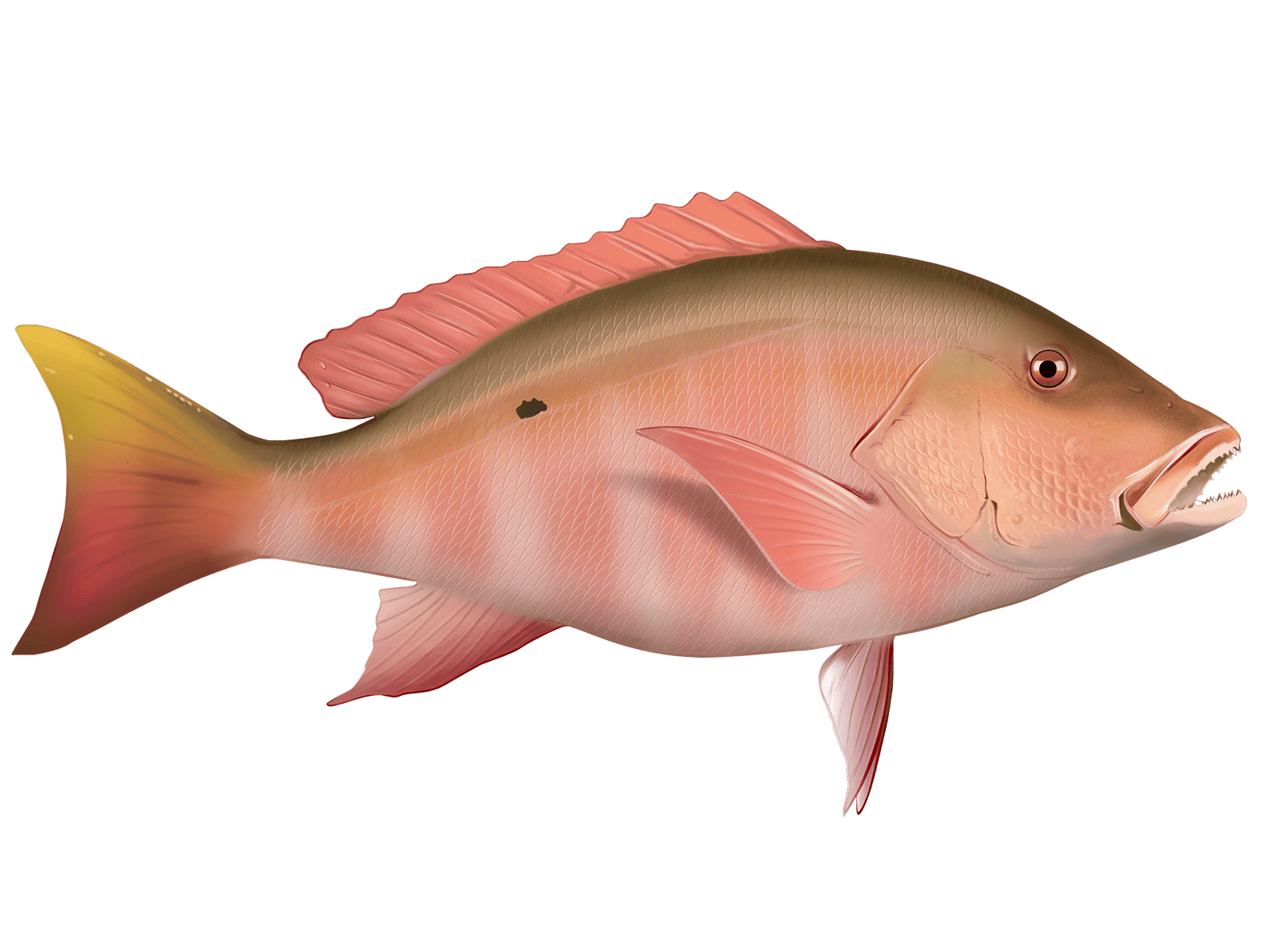
Cobia cruise these wrecks like curious sharks, often following other hooked fish right to the boat where alert anglers can get a second hookup. These brown torpedoes grow fat in Gulf waters, with 30-40 pounders common and some genuine giants pushing 50-60 pounds. Spring migration brings the best cobia fishing, but resident fish patrol the wrecks year-round. Red Snapper season might be limited, but when it's open, Pensacola's offshore wrecks produce some genuine slabs. These 15-25 pound bottom-dwellers have mouths full of teeth and attitudes to match, fighting hard all the way to the surface. Mutton Snapper add some variety to the fish box with their distinctive black spot and yellow fins. They're picky eaters compared to their red cousins, but the 8-15 pounders that live around these wrecks make excellent table fare and provide steady action when presented with the right baits.
Time to Book Your Spot
An 8-hour offshore charter gives you the real Gulf of Mexico experience – time to work multiple wrecks, adjust tactics when needed, and maximize your chances at trophy fish. Captain Jody's local knowledge of Pensacola's offshore structure, combined with quality gear and an experienced crew, puts you in position for the kind of fishing stories you'll tell for years. The 8 AM departure gets you on the water early while conditions are typically best, and the 4-person capacity keeps the boat comfortable without overcrowding. Whether you're after a box full of meat fish or chasing that personal best king mackerel, this charter provides the platform and expertise to make it happen. Don't forget to pack plenty of food and drinks – you'll work up an appetite fighting these offshore bruisers all day long.
Learn more about the species
Cobia
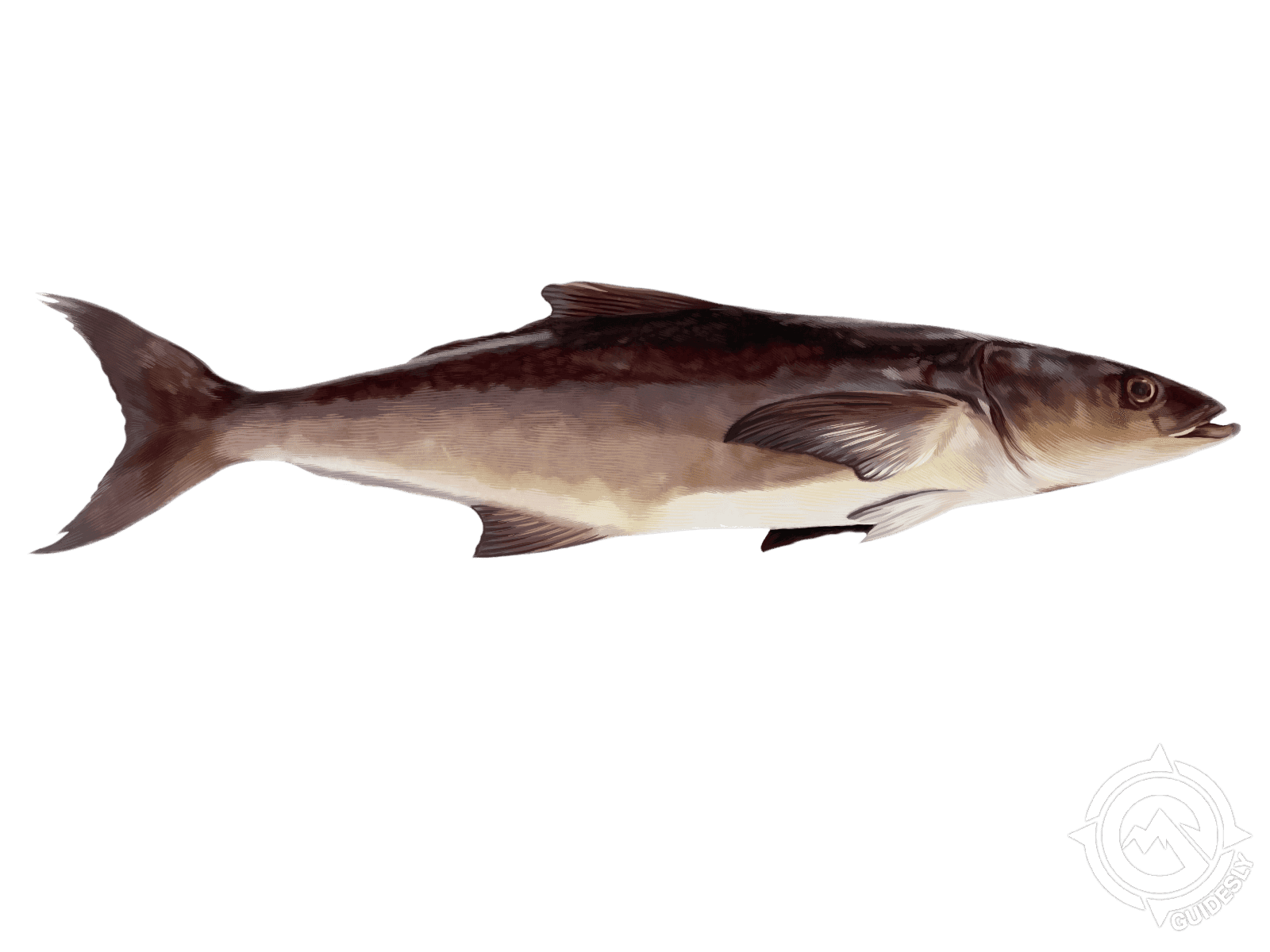
Cobia are loners that cruise shallow water looking like sharks until you see that flat head. Most run 30-60 pounds, and they're curious fish that'll come right up to the boat. Look for them around buoys, floating debris, or just cruising open water in 20-100 feet during spring and early summer. They spawn here from June through August, making for exciting sight fishing opportunities. Guests love them because they eat just about anything you throw at them and make great table fare - firm, white meat that's restaurant quality. Pro tip: when you spot one near the surface, cast ahead of where it's swimming, not right at it. Let your bait sink naturally and be ready - when a cobia decides to eat, it happens fast.
Greater Amberjack
Amberjack are the bulldozers of the reef - strong, stubborn fish that average 30-50 pounds around Pensacola's offshore structure. You'll find them holding tight to wrecks, artificial reefs, and oil rigs in 80-200 feet of water. Spring and summer are prime time when they're most active. These fish are all about the fight - they'll pull straight down toward structure, testing your drag and your patience. The fillets are top-notch eating too, firm white meat that grills beautifully. One tip that works well out here: drop a live bait or heavy jig straight down to the structure, then work it just off the bottom. Don't horse them up too fast or they'll find a way to wrap you around something.
King Mackerel
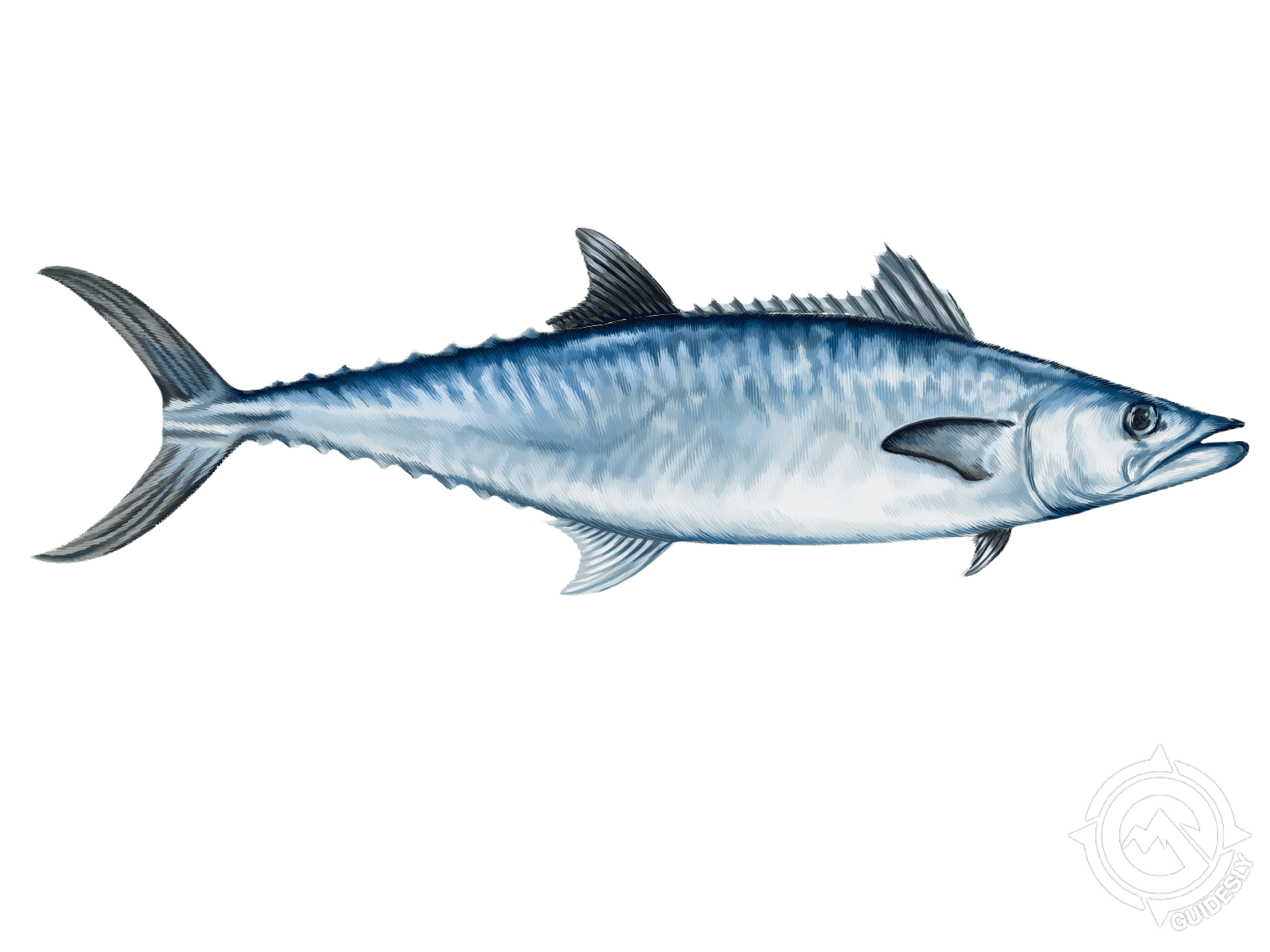
Kings are some of the fastest fish in the Gulf, averaging 20-40 pounds with occasional giants over 60. These silver speedsters cruise open water from 40-150 feet, often following bait schools and temperature breaks. Spring through fall offers the best action when they're actively feeding. What makes kings special is that blazing first run - they'll strip line like crazy before settling into a steady fight. The meat's excellent too, though watch the mercury if you're feeding kids. Here's a local trick: when trolling, use a stinger hook about 6 inches behind your main hook. Kings love to hit bait from behind, and that second hook will save you from a lot of short strikes.
Mutton Snapper
Mutton snapper are the pretty cousins of red snapper, with that distinctive olive-pink coloration and blue streaks on their faces. Most run 5-20 pounds around our reefs and wrecks in 80-200 feet of water. They're strong fighters that know how to use current and structure to their advantage. Spring through fall fishing is most productive when they're actively feeding. What sets muttons apart is their excellent table quality - some say even better than red snapper. They can be finicky about bait presentation though. My go-to technique is using the lightest weight possible and letting fresh bait drift naturally in the current. When you see that pink flash coming up through clear water, you know you've got a good one hooked.
Red Snapper
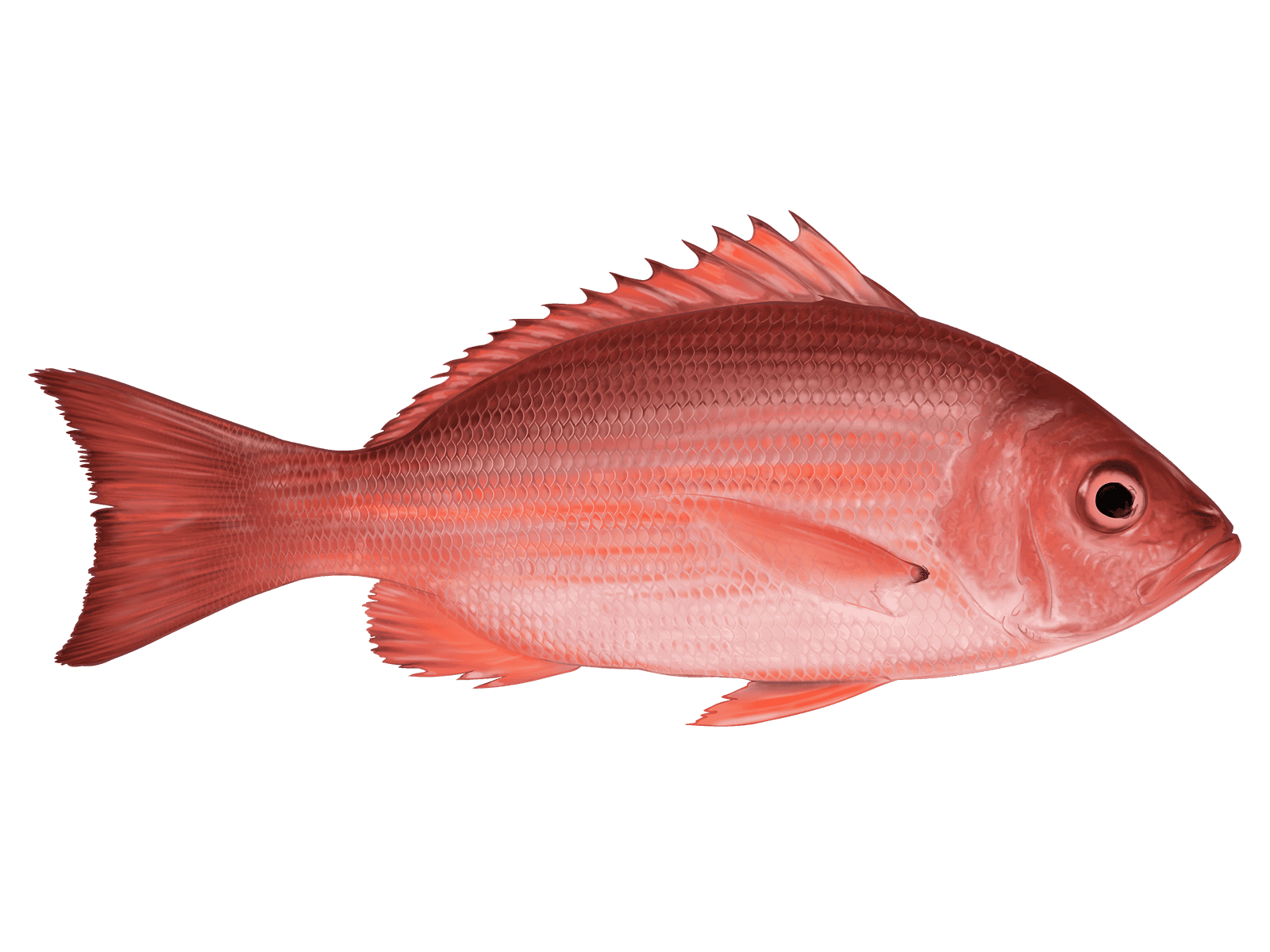
Red snapper are the crown jewel of Gulf bottom fishing, typically running 5-15 pounds with the occasional 20-pounder. These bright red fish live around hard bottom, artificial reefs, and structure in 60-200 feet of water. Summer season brings the best action, though we catch them year-round when regulations allow. They're scrappy fighters that'll try to get back to their holes, and the eating quality is as good as it gets - sweet, flaky white meat. Here's what works: use just enough weight to reach bottom, then keep your bait moving slightly. Dead-sticking rarely works with snapper. A slow lift-and-drop motion triggers more strikes than letting your bait sit motionless down there.
About the Seafox
%2F%2Fusers%2F964bf01b-3c7a-4667-a0bb-6a9d92dbff55%2Fvehicle_picture%2Fseafoxboat-mlpysbpu.jpg&w=1920&q=75)
Vehicle Guest Capacity: 6
Manufacturer Name: Yamaha
Maximum Cruising Speed: 25
Number of Engines: 2
Horsepower per Engine: 150
Captain Jody's 26' Seafox is built for serious offshore fishing in Pensacola's deep waters. This sturdy boat handles the Gulf swells with ease while you target productive wrecks and structure. With room for up to 4 anglers, there's plenty of space to fight big fish without crowding each other. The boat comes equipped with quality rods, reels, and tackle - plus a knowledgeable first mate to help with rigging and landing your catch. Eight hours gives you real time to explore different spots and adjust techniques based on what's biting. The captain knows these waters inside and out, so you'll spend more time fishing and less time searching. Departing at 8 AM from Grainger Ave, you'll be back with stories and hopefully a cooler full of fish by late afternoon.