/filters:format(jpeg,png)/fit-in/300x300/guide_websites/119506/images/unnamed.jpg)
/filters:format(jpeg,png)/fit-in/237x80/guide_websites/119506/images/unnamed.jpg)
/users/964bf01b-3c7a-4667-a0bb-6a9d92dbff55/ratecard/2f835f619b836bf60978a9f65df8645f-mlpzr7p1.jpg)
%2F300x300%2Fusers%2F964bf01b-3c7a-4667-a0bb-6a9d92dbff55%2Fratecard%2F2f835f619b836bf60978a9f65df8645f-mlpzr7p1.jpg&w=256&q=75)
%2F300x300%2Fusers%2F964bf01b-3c7a-4667-a0bb-6a9d92dbff55%2Fimages%2Ffishing-fun-pensacola-2420.jpg&w=256&q=75)
%2F300x300%2Fusers%2F964bf01b-3c7a-4667-a0bb-6a9d92dbff55%2Fimages%2Fangler-fishing-florida-2437.jpg&w=256&q=75)
%2F300x300%2Fusers%2F964bf01b-3c7a-4667-a0bb-6a9d92dbff55%2Fimages%2Fpensacola-fishing-trip-with-friends-2463.jpg&w=256&q=75)
%2F300x300%2Fusers%2F964bf01b-3c7a-4667-a0bb-6a9d92dbff55%2Fimages%2Ffishing-adventure-in-florida-2557.jpg&w=256&q=75)
%2F300x300%2Fusers%2F964bf01b-3c7a-4667-a0bb-6a9d92dbff55%2Fimages%2Ffishing-fun-pensacola-2433.jpg&w=256&q=75)
%2F300x300%2Fusers%2F964bf01b-3c7a-4667-a0bb-6a9d92dbff55%2Fimages%2Fbest-great-fishing-outing-fl-2681.jpg&w=256&q=75)
%2F300x300%2Fusers%2F964bf01b-3c7a-4667-a0bb-6a9d92dbff55%2Fimages%2Fpensacola-fishing-adventure-2374.jpg&w=256&q=75)
%2F300x300%2Fusers%2F964bf01b-3c7a-4667-a0bb-6a9d92dbff55%2Fimages%2Ffishing-pensacola-2438.jpg&w=256&q=75)
%2F300x300%2Fusers%2F964bf01b-3c7a-4667-a0bb-6a9d92dbff55%2Fimages%2Fanglers-catch-adventure-florida-2506.jpg&w=256&q=75)
Pensacola Extended Half Day Inshore Redfish Trip
 Pensacola
What you will be catching:
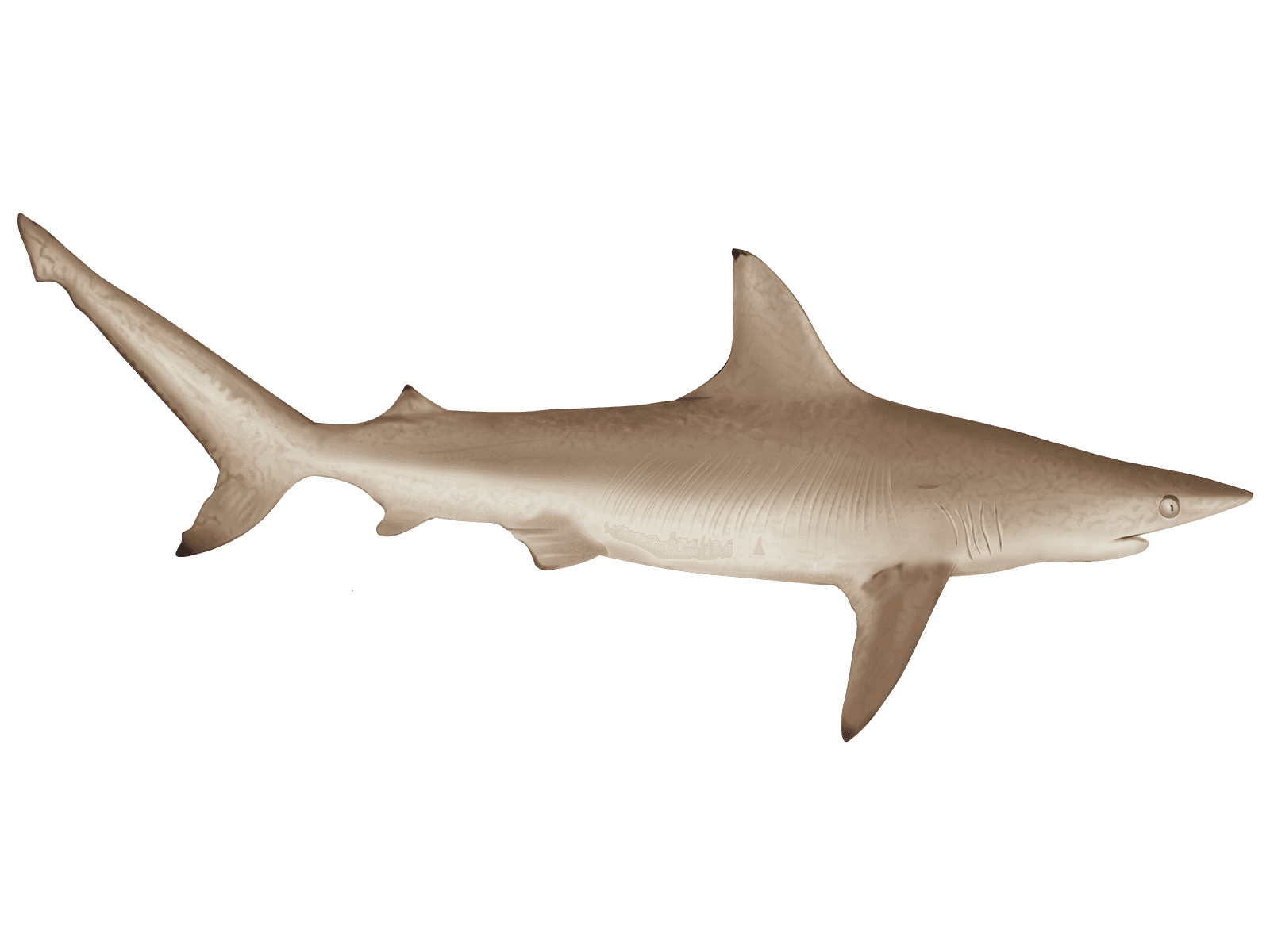
 Blacktip Shark
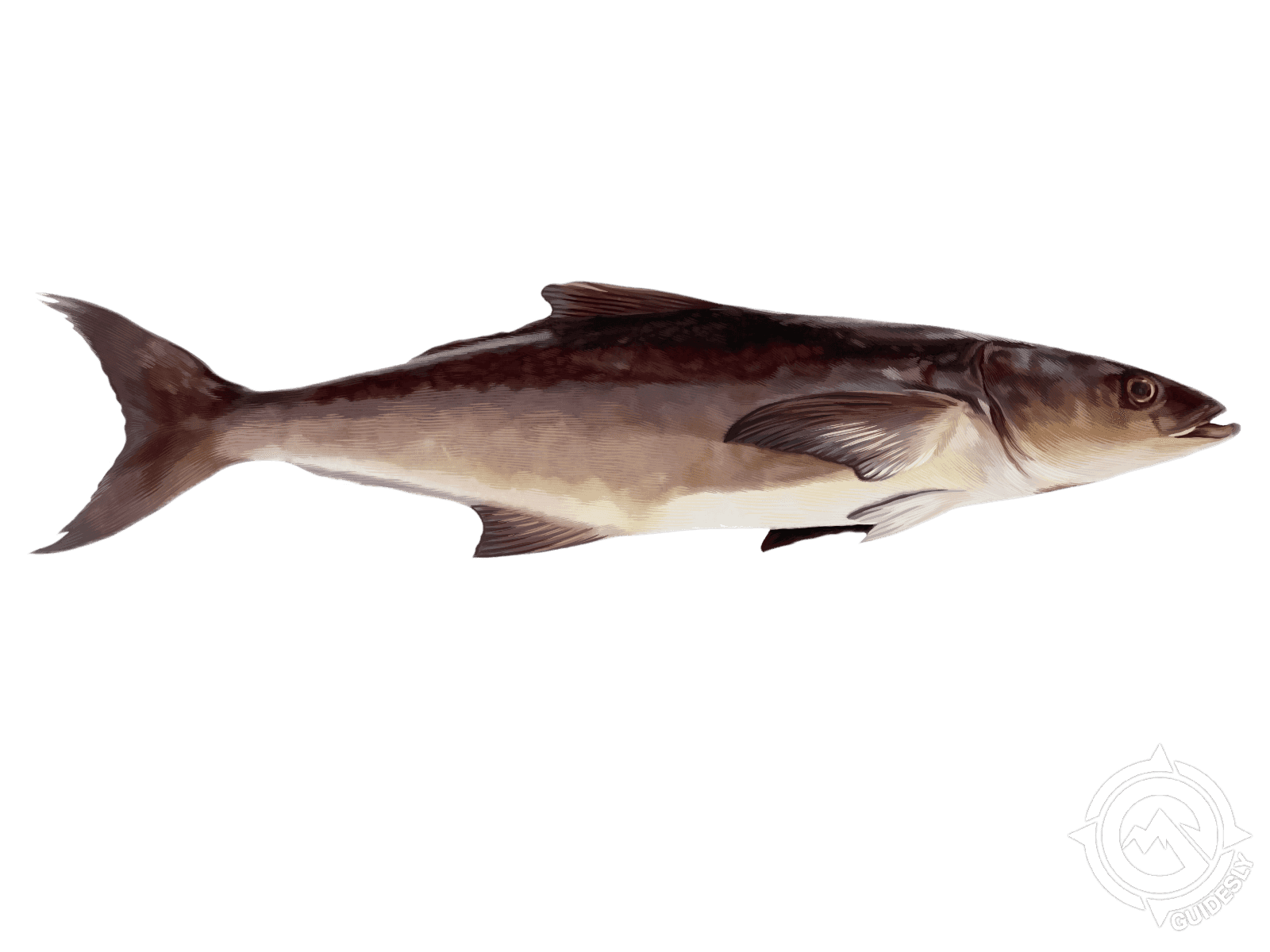
 Cobia
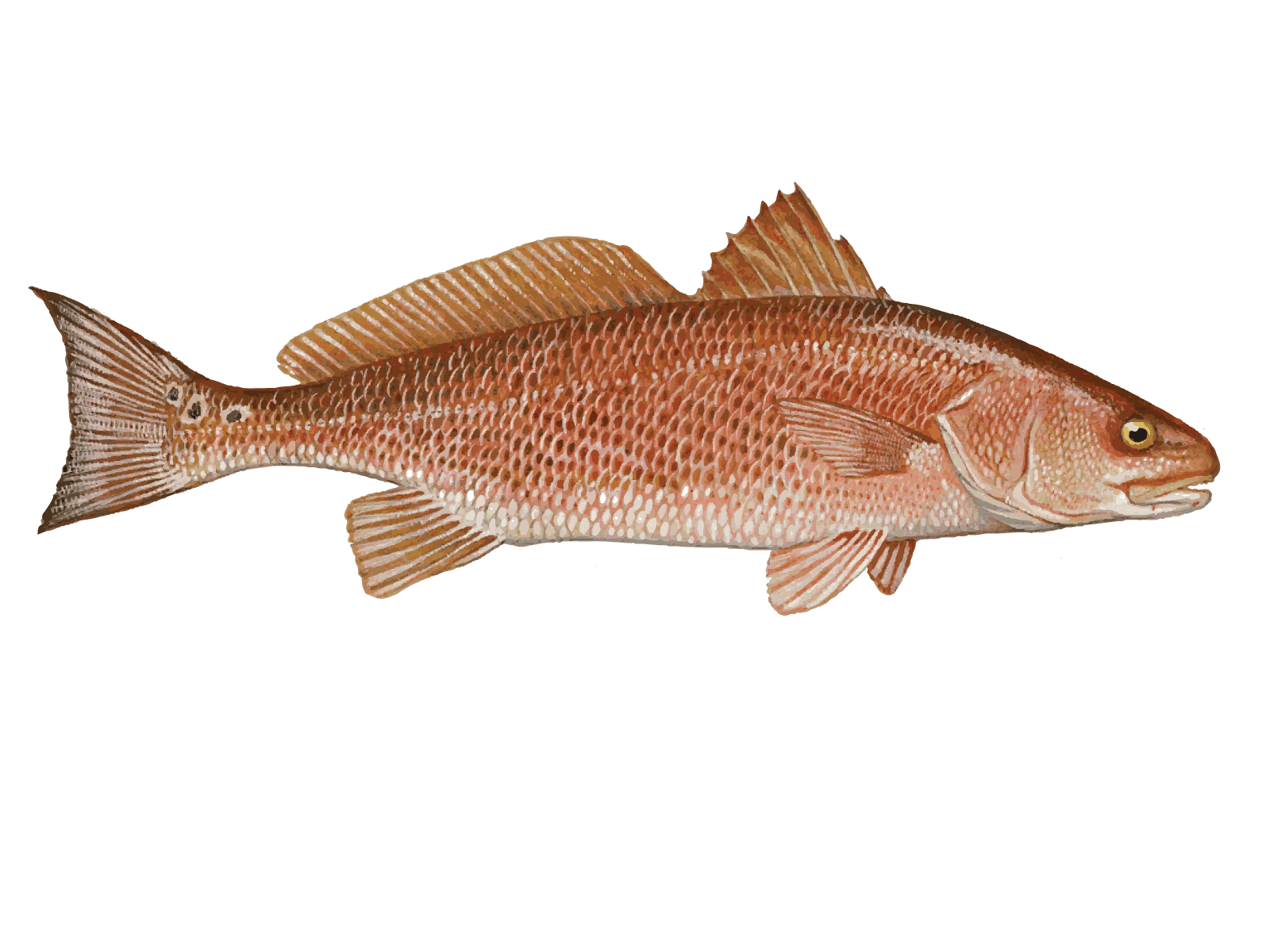
Cobia Redfish
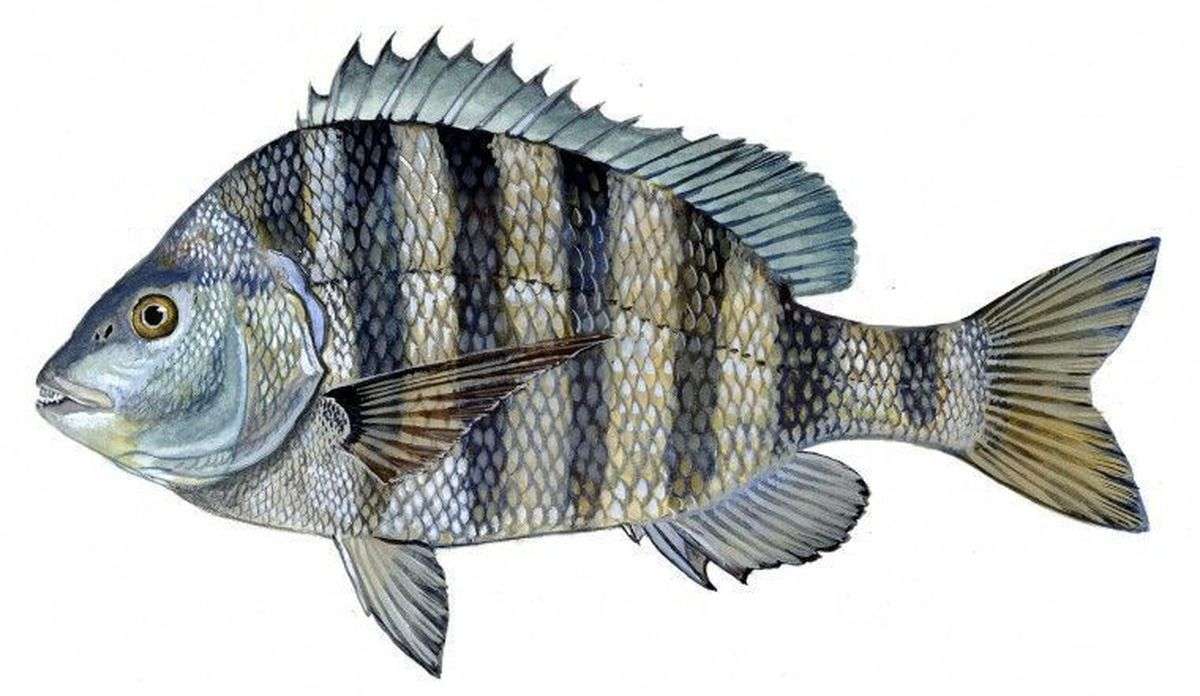
 Sheepshead
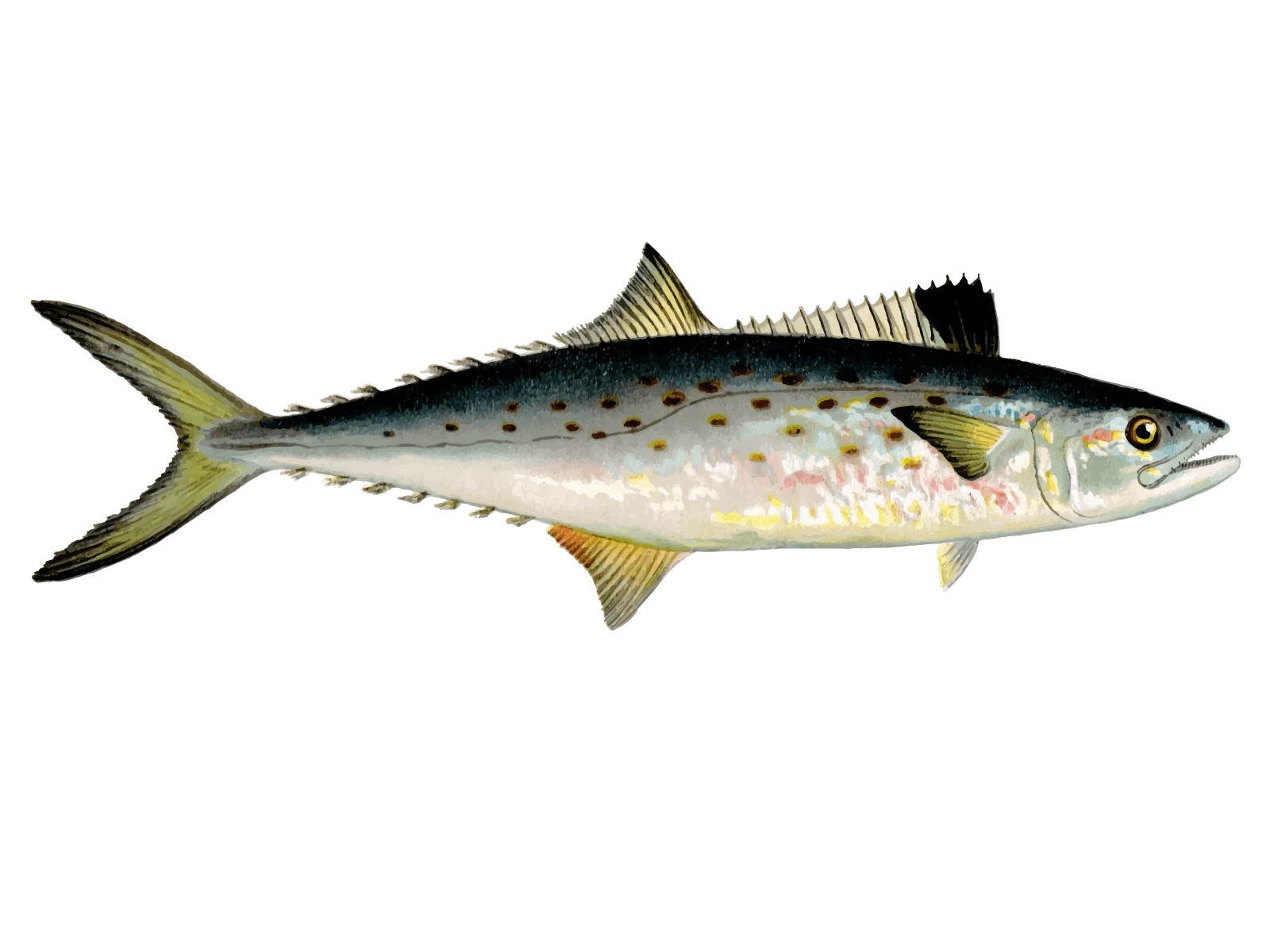
 Spanish Mackerel
- This 6-hour offshore bottom fishing trip with Captain Jody takes you to Pensacola's best wreck sites aboard a 26' Seafox. You'll hit multiple spots targeting grouper, snapper, and other bottom dwellers around structure where the fish stack up. The crew handles all the rigging and baiting, so you can focus on fighting fish. Perfect for groups up to 4 people who want a real Gulf Coast fishing experience. All gear, tackle, and licenses are included. The boat leaves at 8 AM from Grainger Ave, giving you plenty of time to work the wrecks when the bite is hot.
Trip Pricing and Availabilities:
6 Hr Offshore Bottom Fishing in Pensacola
Ready to spend some serious time on the water? This 6-hour offshore bottom fishing charter with Captain Jody takes you way beyond the typical inshore trip. We're talking about hitting multiple wrecks and structure spots where the big fish hang out - the kind of places that separate weekend warriors from serious anglers. You'll be fishing aboard a solid 26' Seafox that can handle the Gulf's attitude, and with a full day ahead of us, we've got time to really dial in on what's biting. Whether you're new to wreck fishing or you've been dropping lines for decades, this trip gives you the runway to learn, experiment, and hopefully fill the cooler.
What to Expect on the Water
We shove off at 8:00 AM sharp from 2706 Grainger Ave, so don't be that person rolling up at 7:59 with a gas station coffee. Captain Jody runs a tight ship but keeps things relaxed - think of it as organized fun. The Seafox is set up specifically for bottom fishing, with plenty of rod holders, a good fish box, and enough deck space for up to 4 anglers to work without getting tangled up. Your first mate knows these waters like the back of his hand and he's there to keep you rigged up, help land fish, and share some local knowledge that you won't find in any fishing app. We provide everything you need tackle-wise, plus your fishing license is covered. Just bring yourself, some snacks and drinks, and maybe a cooler if you're planning to take fish home. Sun protection is non-negotiable out here - the Gulf doesn't mess around when it comes to UV rays.
Bottom Fishing & Structure
Offshore bottom fishing around Pensacola means working artificial reefs, natural ledges, and scattered wrecks that dot the Gulf floor. We're not talking about the famous big wrecks that every charter boat hits - Captain Jody has his own honey holes that he's been building relationships with for years. The technique is straightforward but requires some finesse: we anchor up on structure and drop weighted rigs to the bottom, usually 30-80 feet down depending on the spot. You'll be using circle hooks with cut bait, live bait, or sometimes artificial lures worked near the bottom. The key is feeling the difference between a fish pickup and just dragging bottom - something that comes with time and a good first mate coaching you through it. We'll move spots if the bite slows down, which is the beauty of having 6 hours to work with. Some days the fish are stacked up on one particular piece of structure, other days we're hunting around until we find the right combination of current, bait, and hungry fish.
Species You'll Want to Hook
Sheepshead are the masters of structure fishing around here, and they'll test your patience like no other fish. These black-and-white striped convicts have teeth that can crush barnacles, so they think nothing of stealing your bait without you even knowing it happened. They're most active during cooler months, roughly October through April, and they love hanging around anything with growth on it - pilings, wrecks, and artificial reefs. What makes them exciting is the challenge - you need to set the hook the second you feel that subtle tap, because they'll spit the bait faster than you can blink. Plus, they're excellent table fare with firm, white meat that tastes even better when you've earned it through skill rather than luck.
Redfish are the workhorses of Pensacola fishing, and while you might think of them as an inshore species, they show up around offshore structure more often than people realize. These copper-colored bruisers can push 30+ pounds out here, and they fight like they're personally offended that you hooked them. Spring and fall are prime time, but we see them year-round. What gets anglers fired up about reds is their attitude - they'll crush a bait and then bulldoze toward the nearest piece of structure, testing your drag and your nerve. The slot-size fish (16-27 inches) are perfect for the dinner table, while the oversized bulls are pure adrenaline and photo opportunities before they swim away to make more redfish.
Blacktip sharks bring a different energy to bottom fishing - when one grabs your bait, you know it immediately. These streamlined predators patrol the edges of structure looking for easy meals, and they're incredibly common in Pensacola's offshore waters from late spring through early fall. They typically run 3-6 feet long out here, and they'll give you a legitimate workout on medium tackle. What makes blacktips special is their aerial show - they'll jump clear out of the water multiple times during the fight, spinning and crashing back down. It's pure excitement, and even seasoned anglers get amped up when a blacktip starts going airborne next to the boat.
Cobia are the holy grail of structure fishing around here - they're not super common, but when they show up, everything else becomes secondary. These brown, shark-like fish are curious as cats and smart as whips. They'll cruise around the boat checking things out, sometimes following other hooked fish up from the bottom. Spring migration (March through May) is when your odds are best, but cobia are opportunistic enough to show up anytime. They grow big fast - a 40-pounder isn't unusual - and they fight with power and stamina that'll leave your arms burning. The meat is outstanding, often compared to shark but with a cleaner taste and better texture.
Spanish mackerel add speed and numbers to the mix when they're around. These silver rockets with yellow spots are pure energy, hitting baits hard and fast, then screaming line off your reel in short, blistering runs. Summer months are peak season, and they often travel in schools, so when you find them, you can catch them steadily. They're perfect for lighter tackle and great for building confidence if you're new to
Learn more about the animals
Blacktip Shark
Blacktip sharks are the acrobats of our Gulf waters, known for jumping clear out of the water when hooked. These sleek sharks typically run 3-6 feet and 20-100 pounds, with those distinctive black-tipped fins that give them their name. We find them in 30-100 feet of water around artificial reefs, oil rigs, and drop-offs where they hunt for mackerel, herring, and smaller fish. Summer months bring the best action when water temperatures climb and baitfish are thick. What makes blacktips special is their aerial show - they'll leap and spin like tarpon, giving you a fight you won't forget. While we practice catch and release, the battle alone is worth the trip. They can be surprisingly shy, so we approach fishing spots quietly. These sharks respond well to a good chum line with oily fish like mackerel. Wire leaders are a must, and circle hooks work best. Local tip: when the water gets that greenish tint after summer rains, blacktips seem to feed more aggressively.
Cobia
Cobia are the gentle giants of our near-shore waters and one of the most rewarding fish to target around Pensacola. These brown, shark-looking fish average 20-50 pounds but can reach over 100 pounds and 6 feet long. We find them cruising around buoys, wrecks, and oil rigs in 20-100 feet of water, often just below the surface where you can sight-fish for them. Spring and early summer are peak times when they're moving through our area during their migration. What makes cobia special is their curious nature - they'll often swim right up to the boat to investigate. The fight is strong and steady, and the meat is some of the best you'll taste - firm, white, and mild like a cross between grouper and mahi. They're usually solitary, so when you find one, work that area thoroughly. Bucktail jigs in 4-8 ounces work great, and color doesn't matter much. Pro tip: if you see rays or turtles, look for cobia following them - they feed on the crabs and small fish stirred up.
Redfish
Redfish are the bread and butter of our Pensacola flats fishing. These copper-colored beauties with the distinctive black eyespot near their tail typically run 18-32 inches, though bull reds over 40 inches show up during their fall spawning runs. You'll find them in 1-4 feet of water around oyster bars, grass flats, and marsh edges - sometimes so shallow their backs are sticking out. Spring through fall are your best bets, with early morning and late afternoon being prime feeding times. What guests love about reds is their aggressive strike and bulldogging fight - they'll make drag-screaming runs toward cover. The smaller slot fish make excellent table fare with sweet, firm meat that's perfect for blackening. They'll eat just about anything, but live shrimp under a popping cork is hard to beat. Here's a local secret: when you see mullet jumping nervously, there's usually reds underneath pushing them around. Cast to the edges of that activity.
Sheepshead
Sheepshead are one of the most unique fish you'll encounter around Pensacola's structures. These "convict fish" with their black and white stripes typically run 1-8 pounds, though we sometimes hook into 20-pounders near the deeper jetties and bridge pilings. They love barnacle-covered structures in 10-30 feet of water, especially around the pier pilings and artificial reefs. Spring and fall are prime time when they're feeding heavily before and after spawning. What makes them special is those human-like teeth - they're designed for crushing barnacles and crabs. They're notorious bait thieves, so you need to stay alert and set the hook hard when you feel that subtle tap. The white, flaky meat is some of the best eating you'll find, with a mild flavor that's perfect for any fish recipe. Pro tip: get your bait right up against the structure and use fiddler crabs when you can find them - sheepshead can't resist them.
Spanish Mackerel
Spanish mackerel are speed demons that'll give you non-stop action around Pensacola waters. These silver bullets with bright yellow spots typically run 1-3 pounds and 12-20 inches, but their lightning-fast runs and aggressive strikes make them feel twice as big. We find them in schools near the surface in 15-50 feet of water around structures, drop-offs, and anywhere baitfish are thick. Spring through fall are prime seasons, with summer offering the most consistent action when water temperatures climb. What guests love is the constant bite - when you find a school, everyone on the boat can hook up at once. They make excellent table fare too, with firm, flaky meat that's perfect for grilling or smoking. These fish have razor-sharp teeth, so wire leaders are essential. Small spoons, jigs, and live bait like sardines work great. Local tip: when you see diving birds working a area, get there fast - spanish mackerel will be underneath feeding on the same baitfish the birds are after.
About the Seafox
%2F%2Fusers%2F964bf01b-3c7a-4667-a0bb-6a9d92dbff55%2Fvehicle_picture%2Fseafoxboat-mlpysbpu.jpg&w=1920&q=75)
Vehicle Guest Capacity: 6
Manufacturer Name: Yamaha
Maximum Cruising Speed: 25
Number of Engines: 2
Horsepower per Engine: 150
Captain Jody's 26' Seafox is built for serious offshore wreck fishing around Pensacola's prime bottom fishing spots. This sturdy center console handles Gulf waters with ease, giving you and up to 3 other anglers plenty of room to work multiple rods while targeting grouper, snapper, and amberjack over structure 20+ miles out. The boat comes fully rigged with quality tackle, fresh bait, and a knowledgeable first mate who knows exactly where the fish hold on each wreck. With 6 hours on the water, you'll have time to hit several productive spots and really dial in what's biting. The Seafox's layout keeps everyone comfortable during the longer run to offshore grounds, and there's ample fish box space for your catch. Captain Jody runs a no-nonsense operation focused on putting fish in the boat while keeping things relaxed and enjoyable for anglers of all skill levels.